History of the Urban Sniper
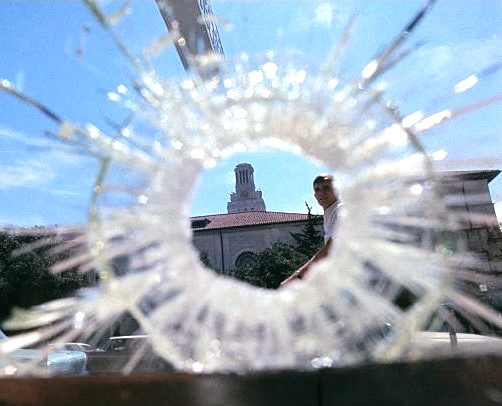
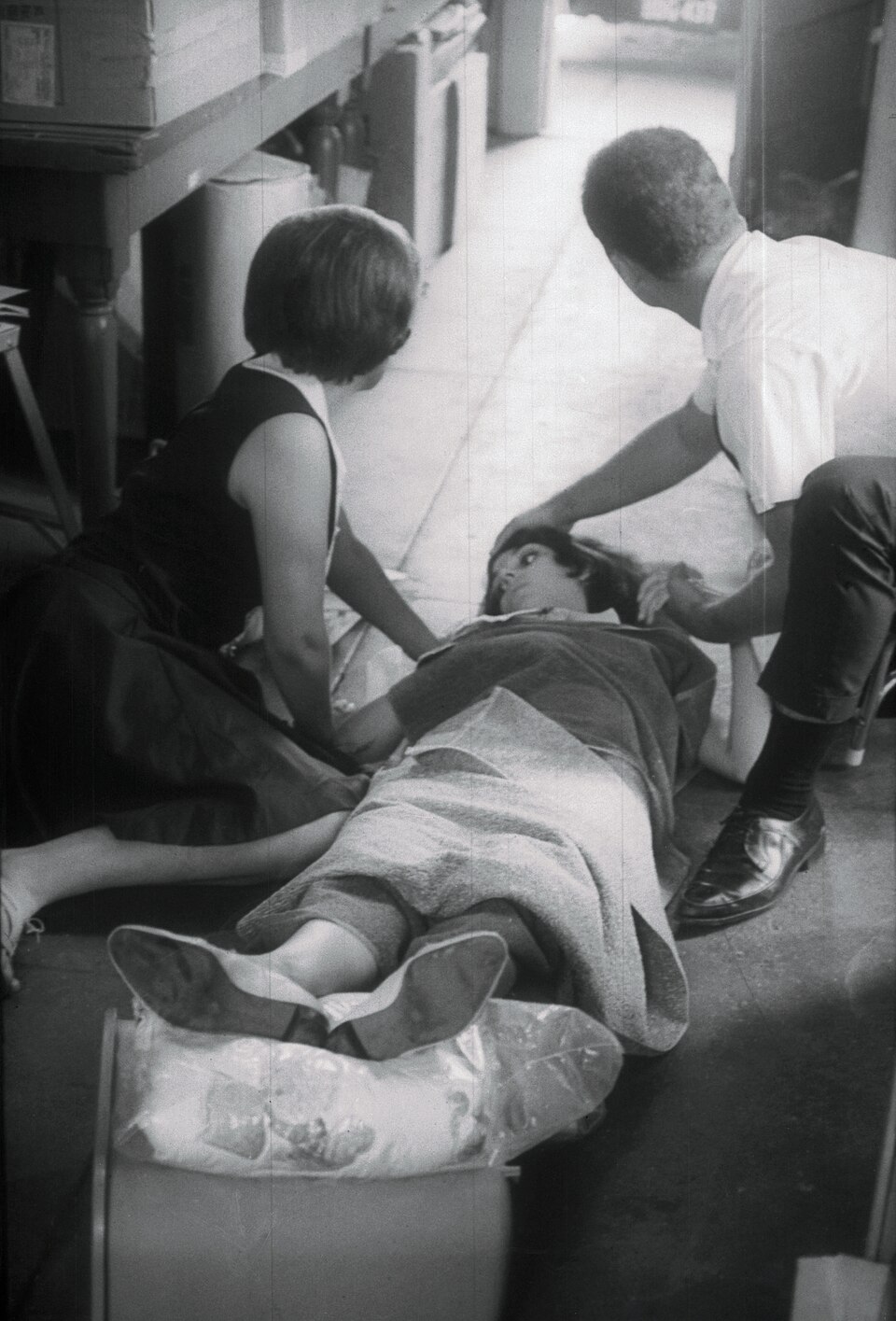
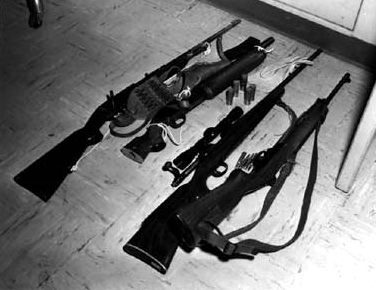
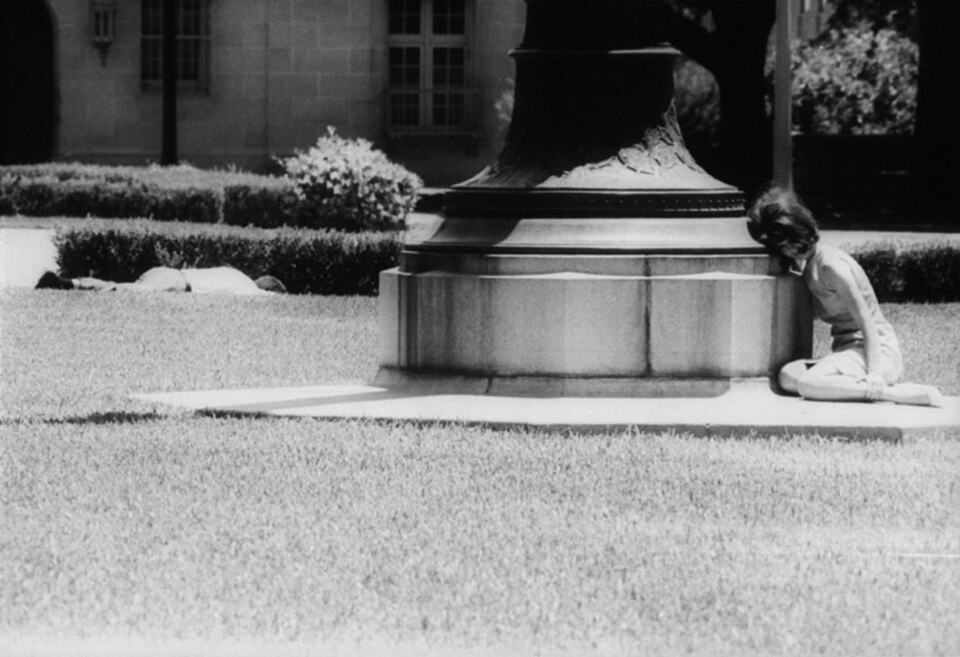
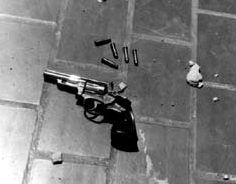
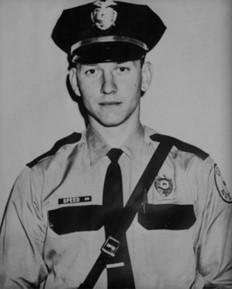
More than a hundred lawmen reached the University of Texas campus within minutes, and every one of them was outranged by the man in the tower.36
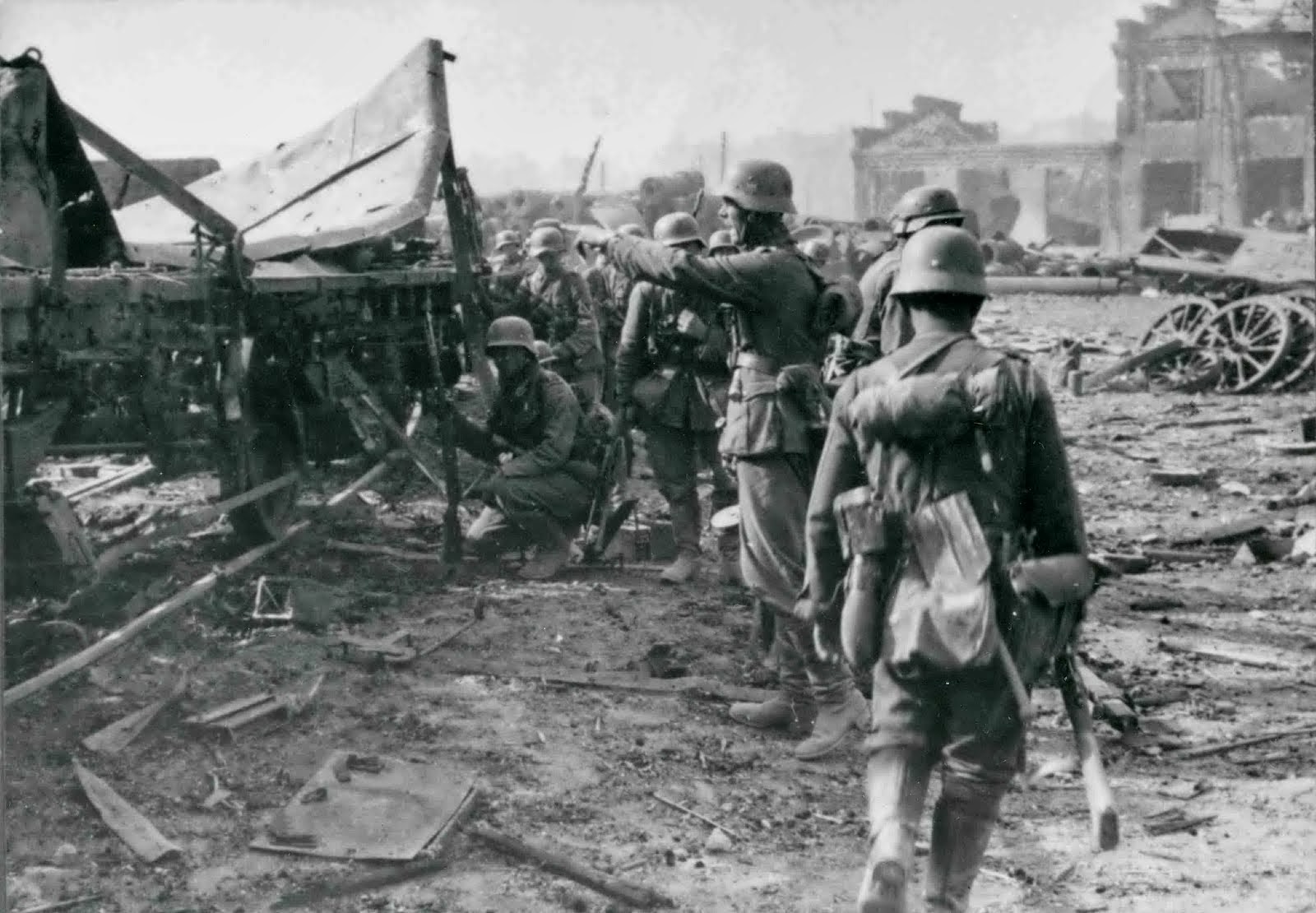
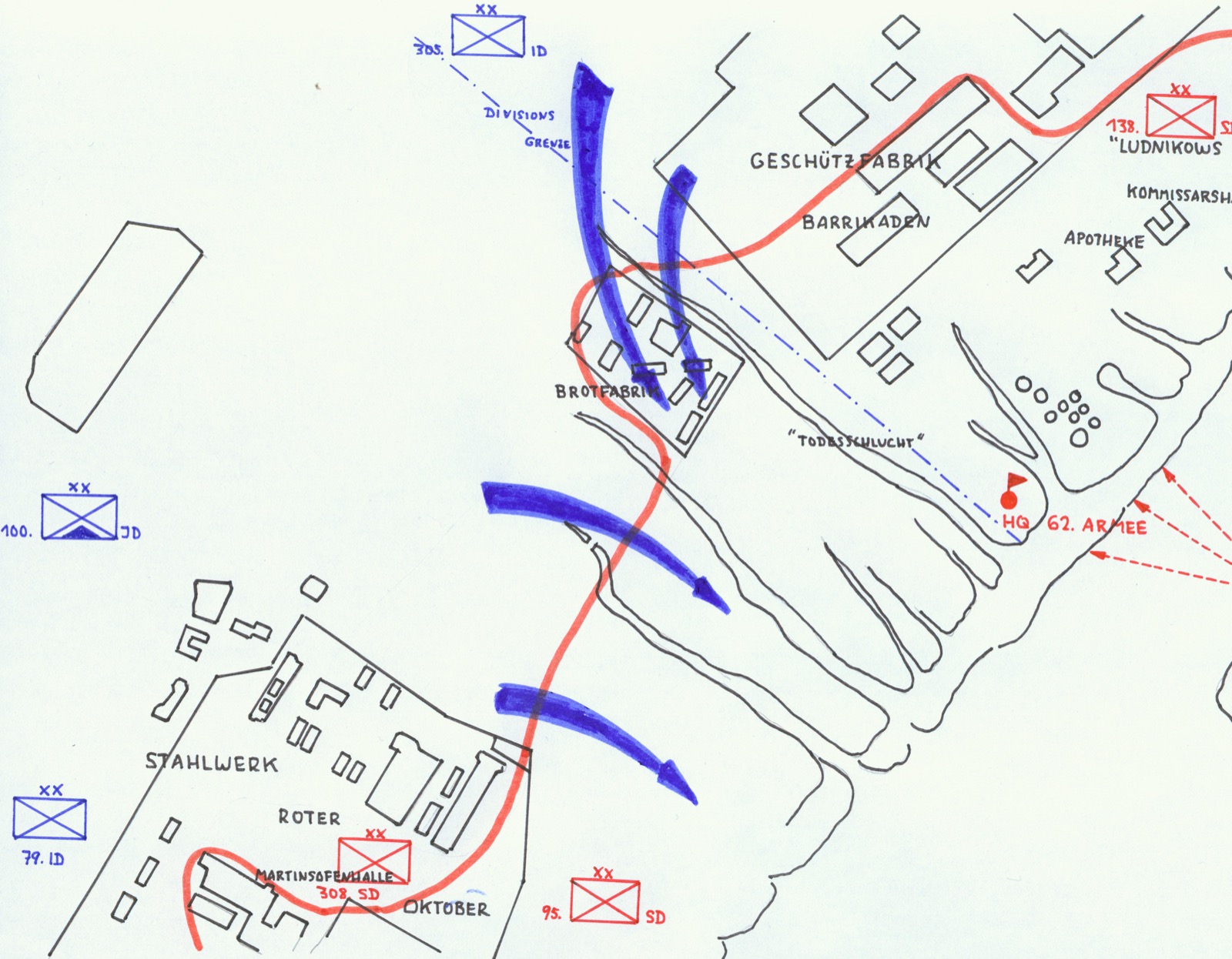
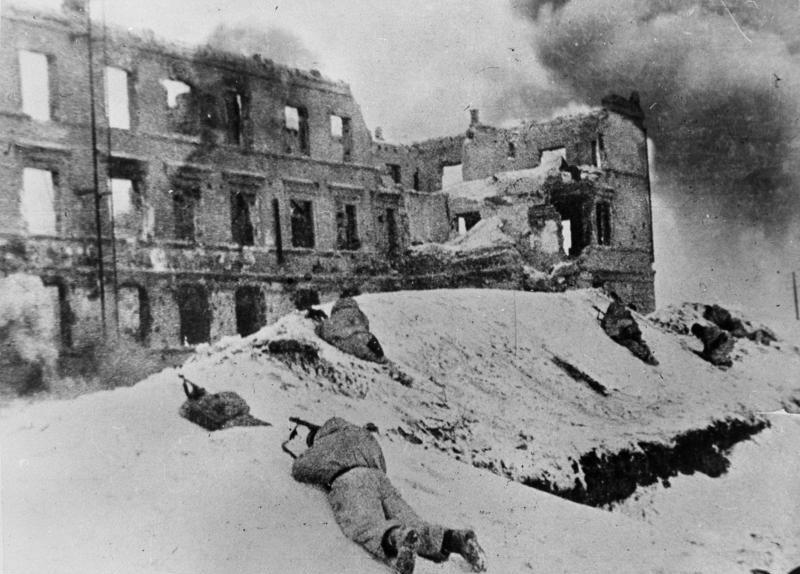
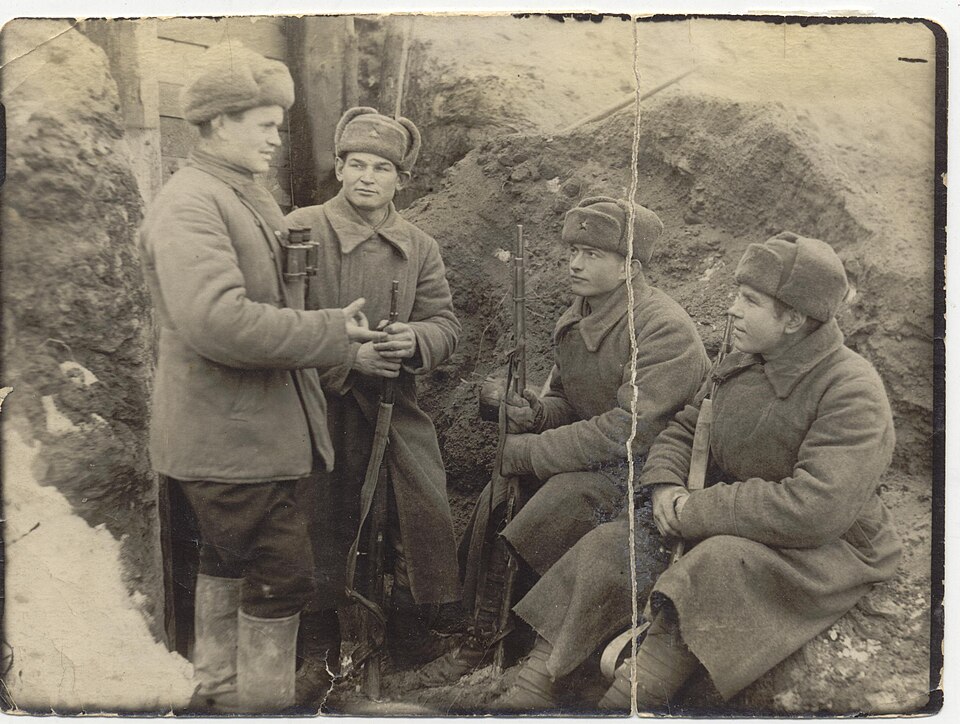
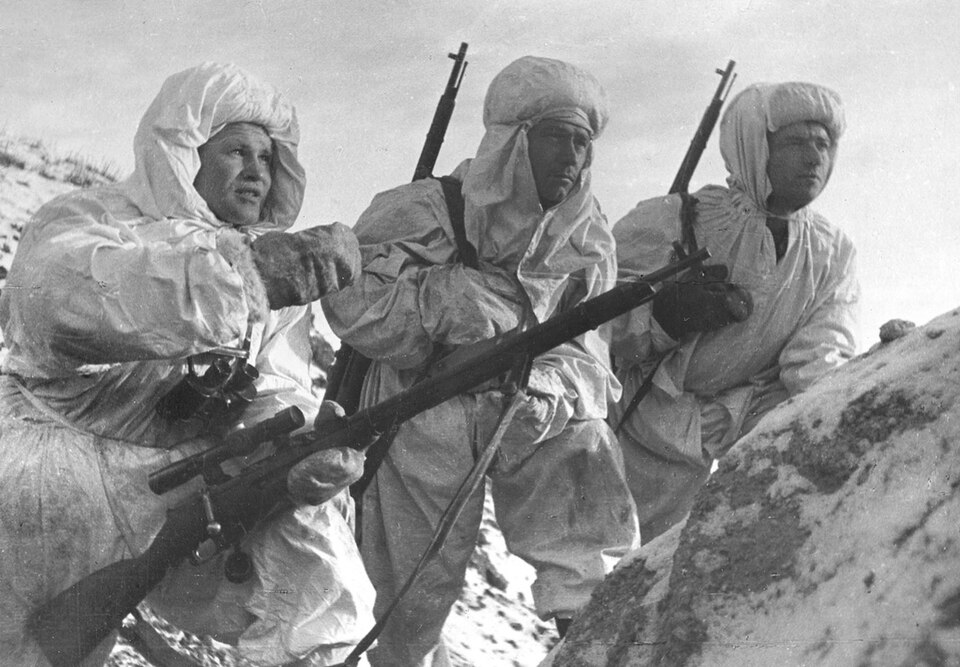
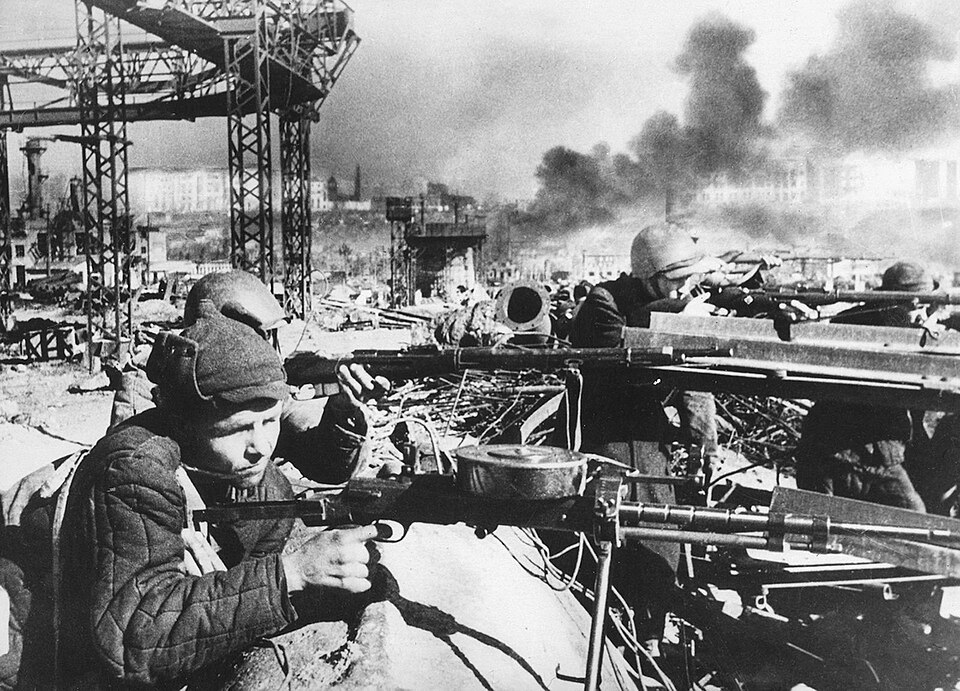
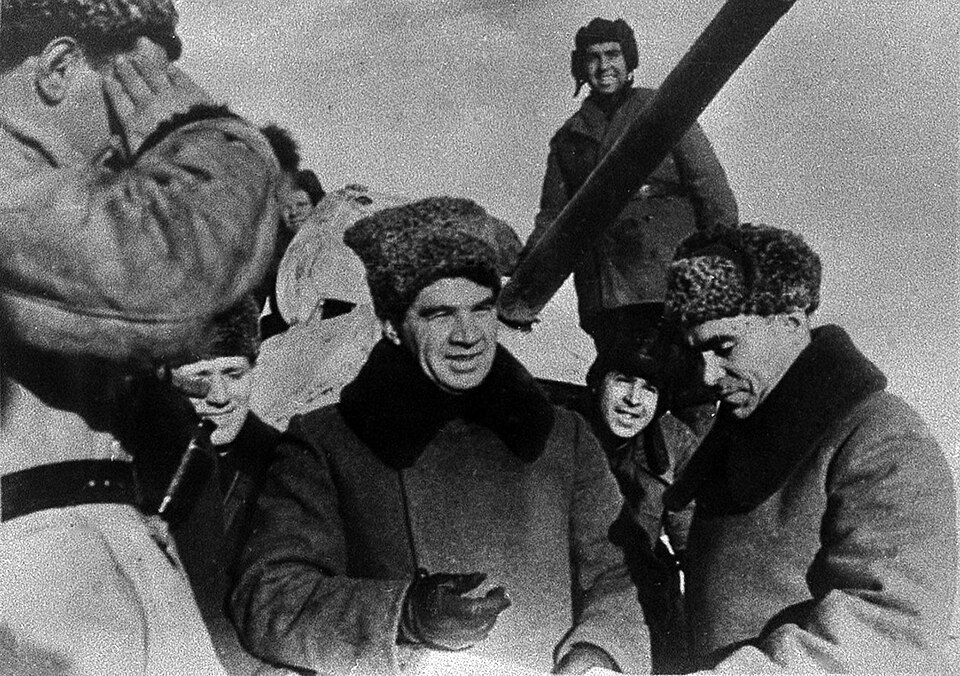
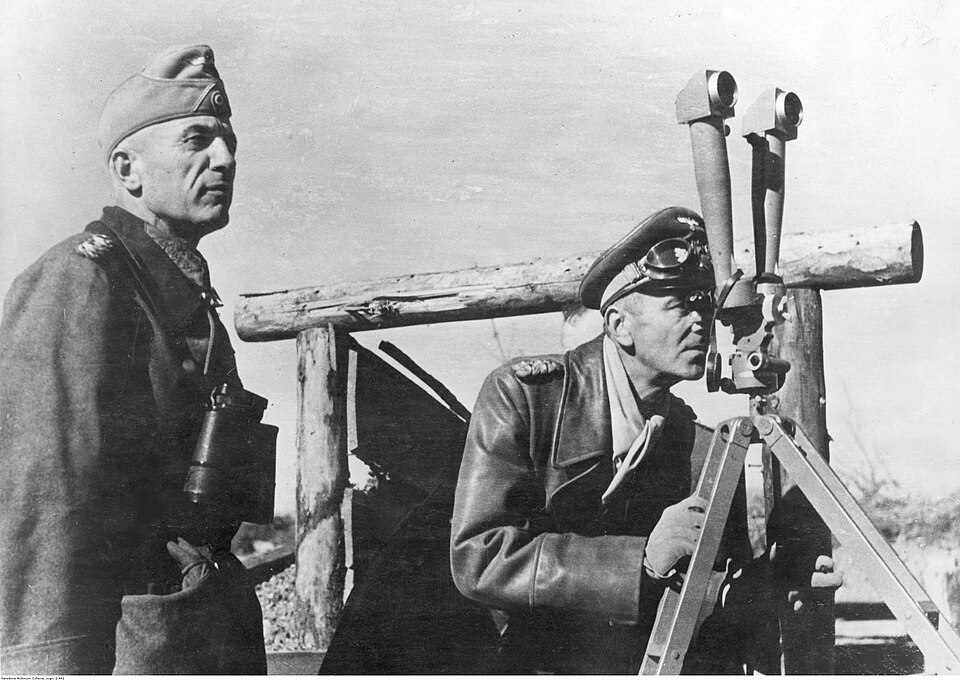
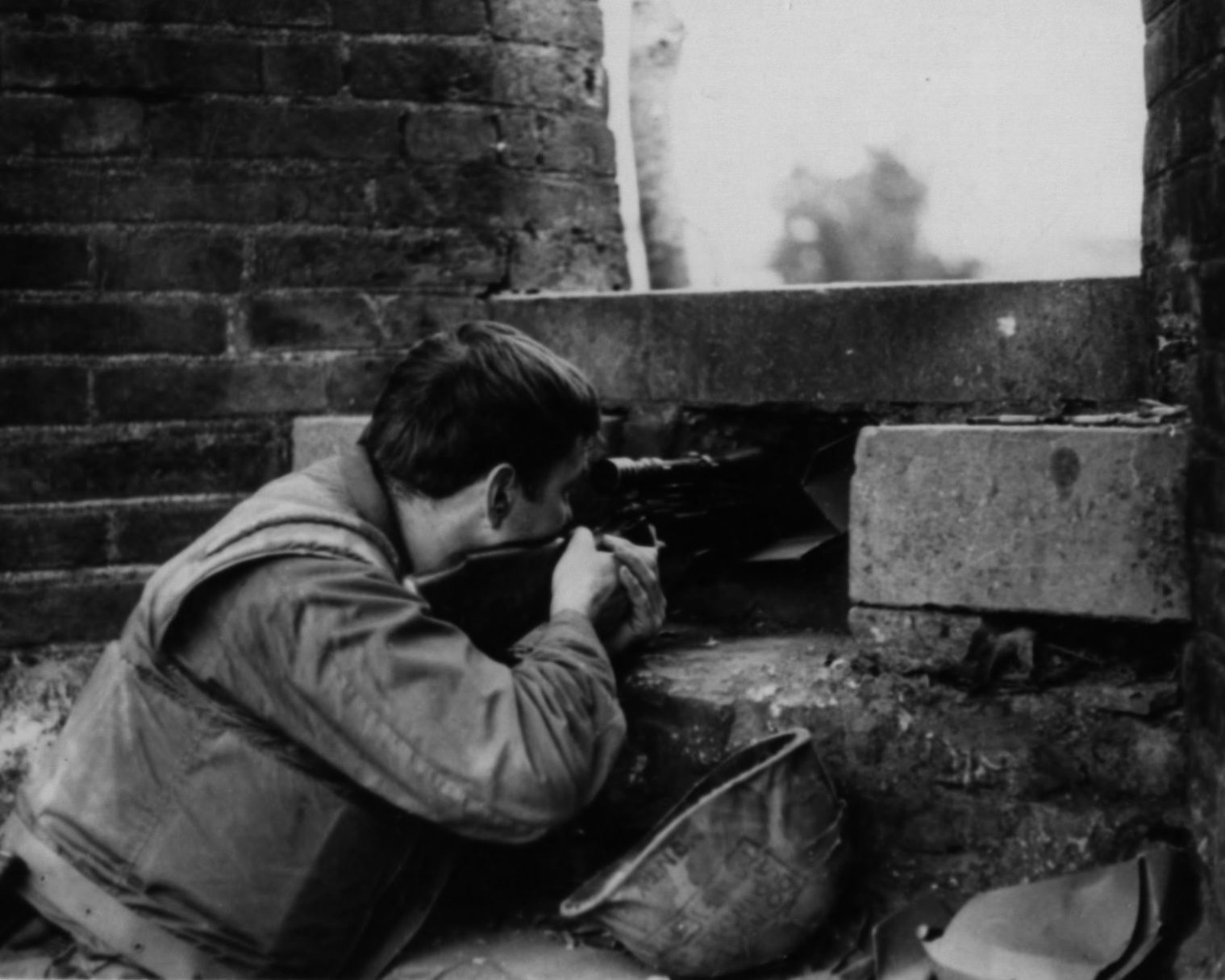
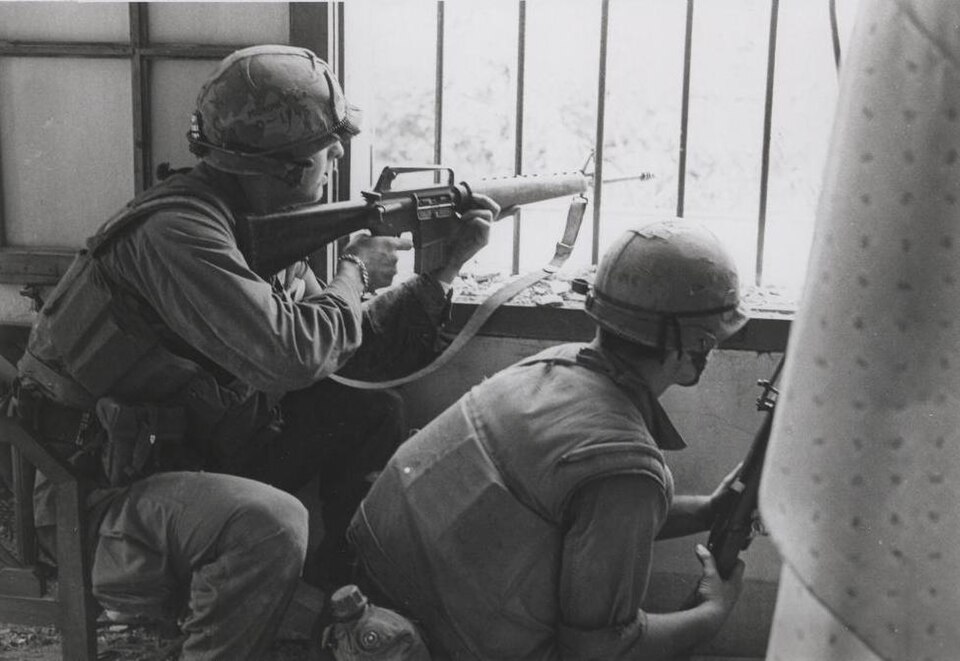
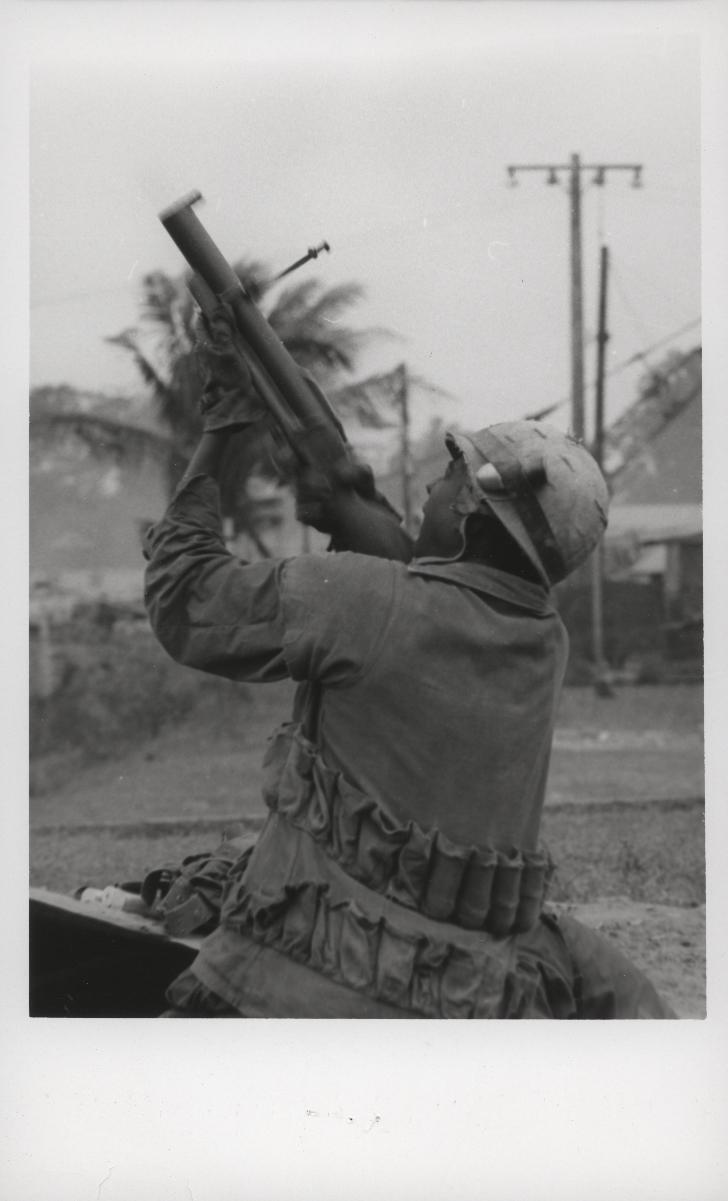
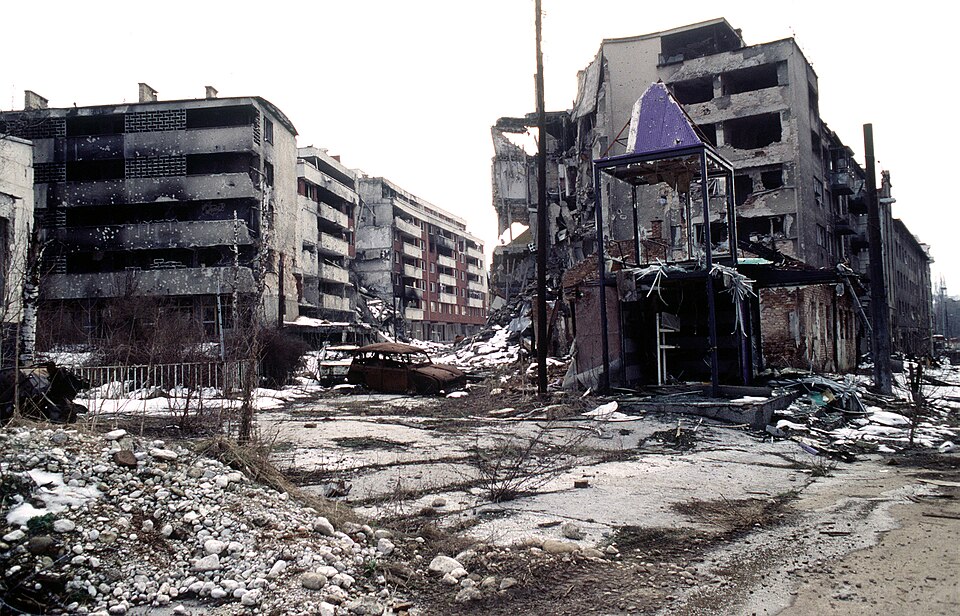
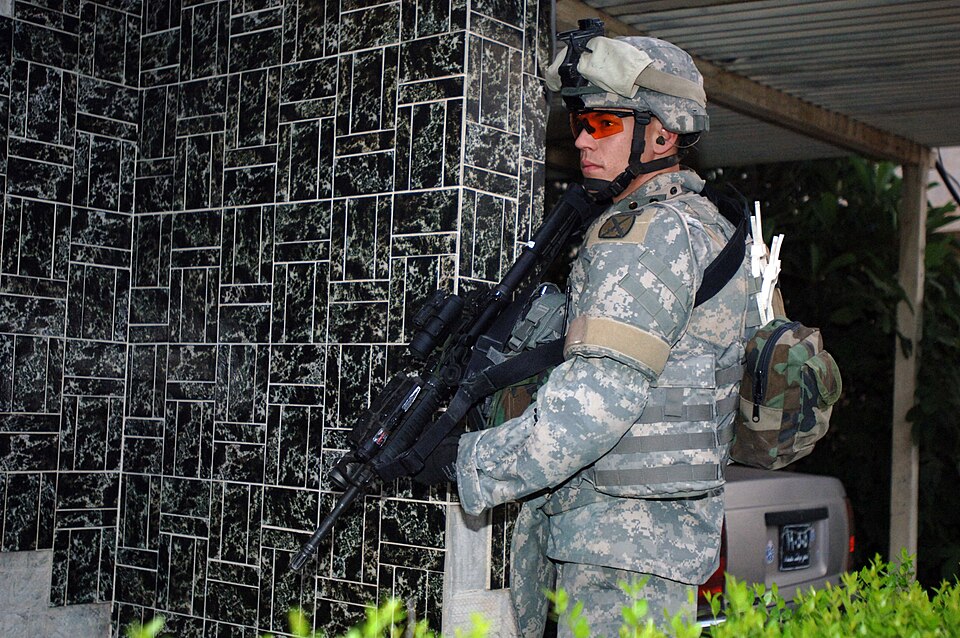
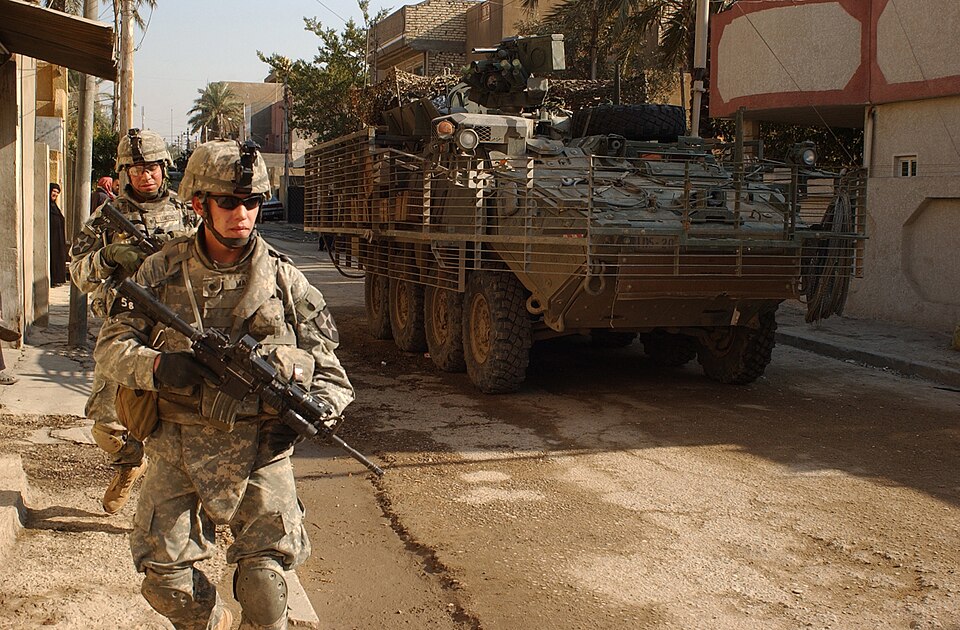
John Spencer, who chairs the Urban Warfare Project at West Point, states the first rule of fighting in a city: “The urban defender has the advantage.”85 His second rule says why: “The urban terrain reduces the attacker’s advantages in intelligence, surveillance, and reconnaissance, the utility of aerial assets, and the attacker’s ability to engage at distance.”85 Stalingrad “was urban combat at its worst,” and in it “dozens of snipers took advantage of the destruction to find nearly perfect firing positions.”83 Armies answered with weight of fire and paid for it: at Stalingrad, John West found, “the Germans’ unrestrained and massive use of firepower actually made them more vulnerable to Russian snipers as opposed to less so.”2
“The urban defender has the advantage.”85
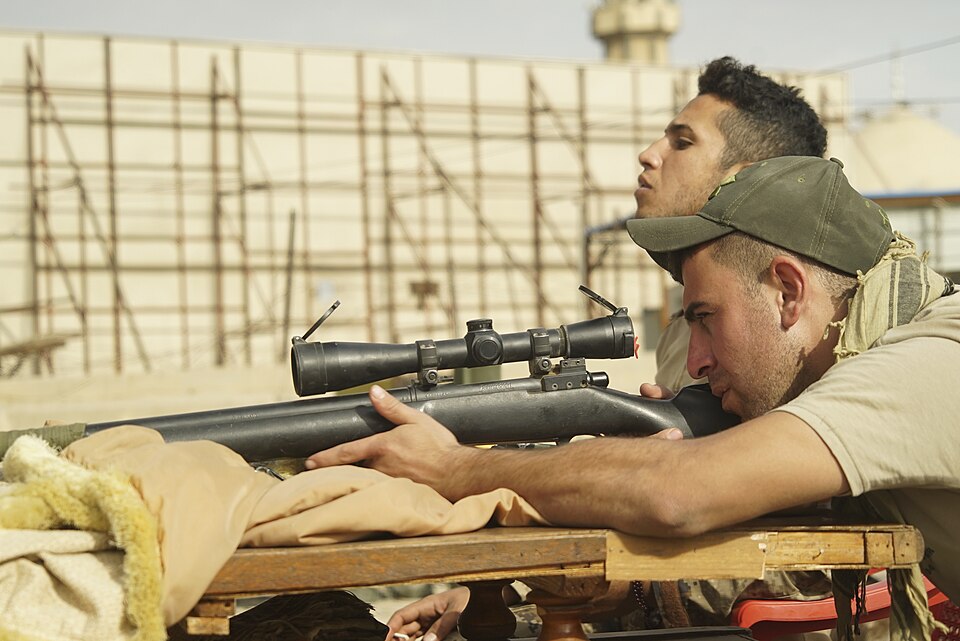
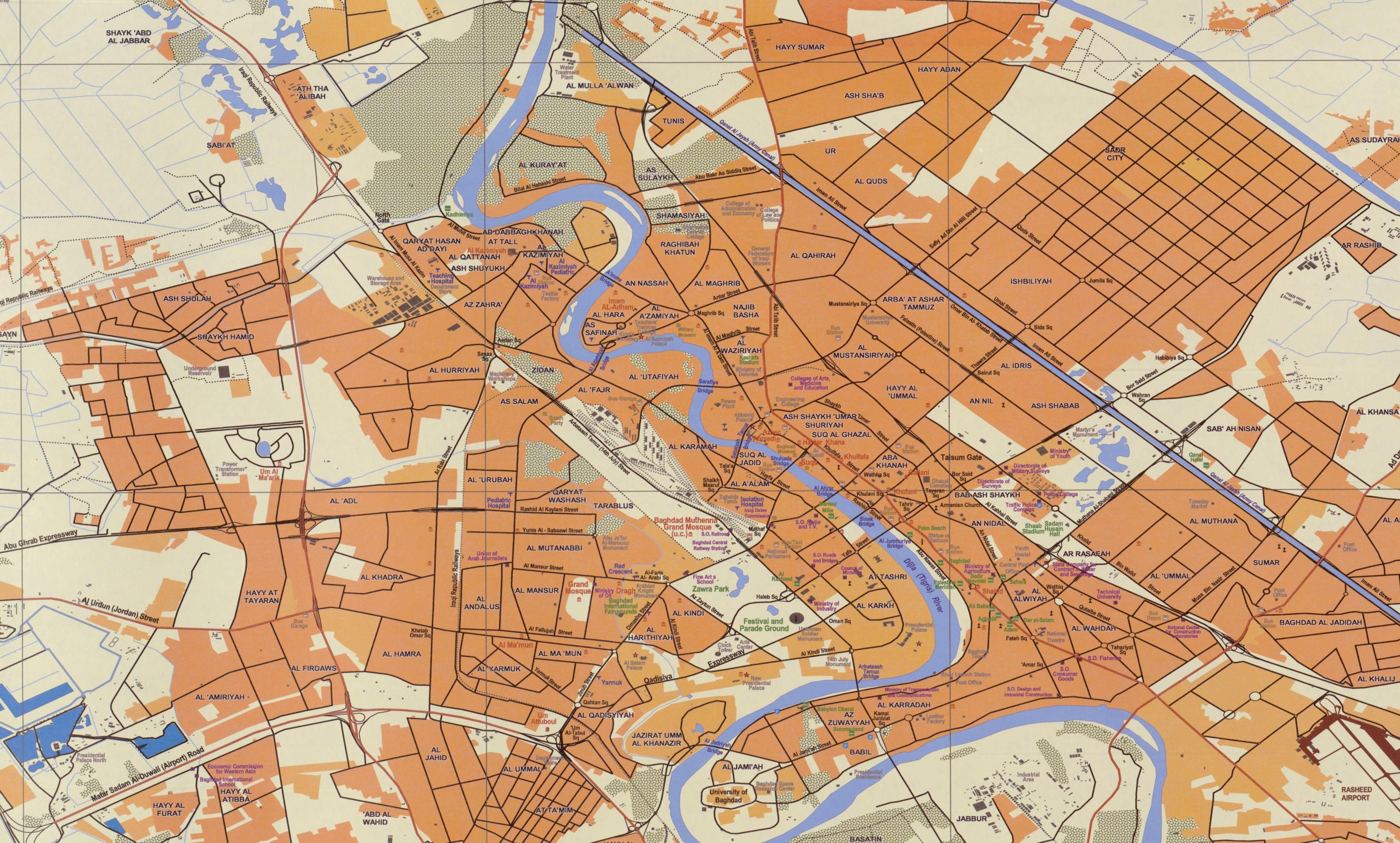
Insurgent snipers in Baghdad ushered in a new tool for the sniper, the camera. As they shot soldiers and Marines, they filmed the kill and used the footage for propaganda and recruitment.251 An insurgent commander stated: “The scene that shows the falling soldier when hit has more impact on the enemy than any other weapon.”111 The Islamic Army in Iraq sent its November 2005 compilation to CNN, not al-Jazeera, targeting the American audience;51 the Islamic State later adopted the sniper-video format across Syria and Iraq.55
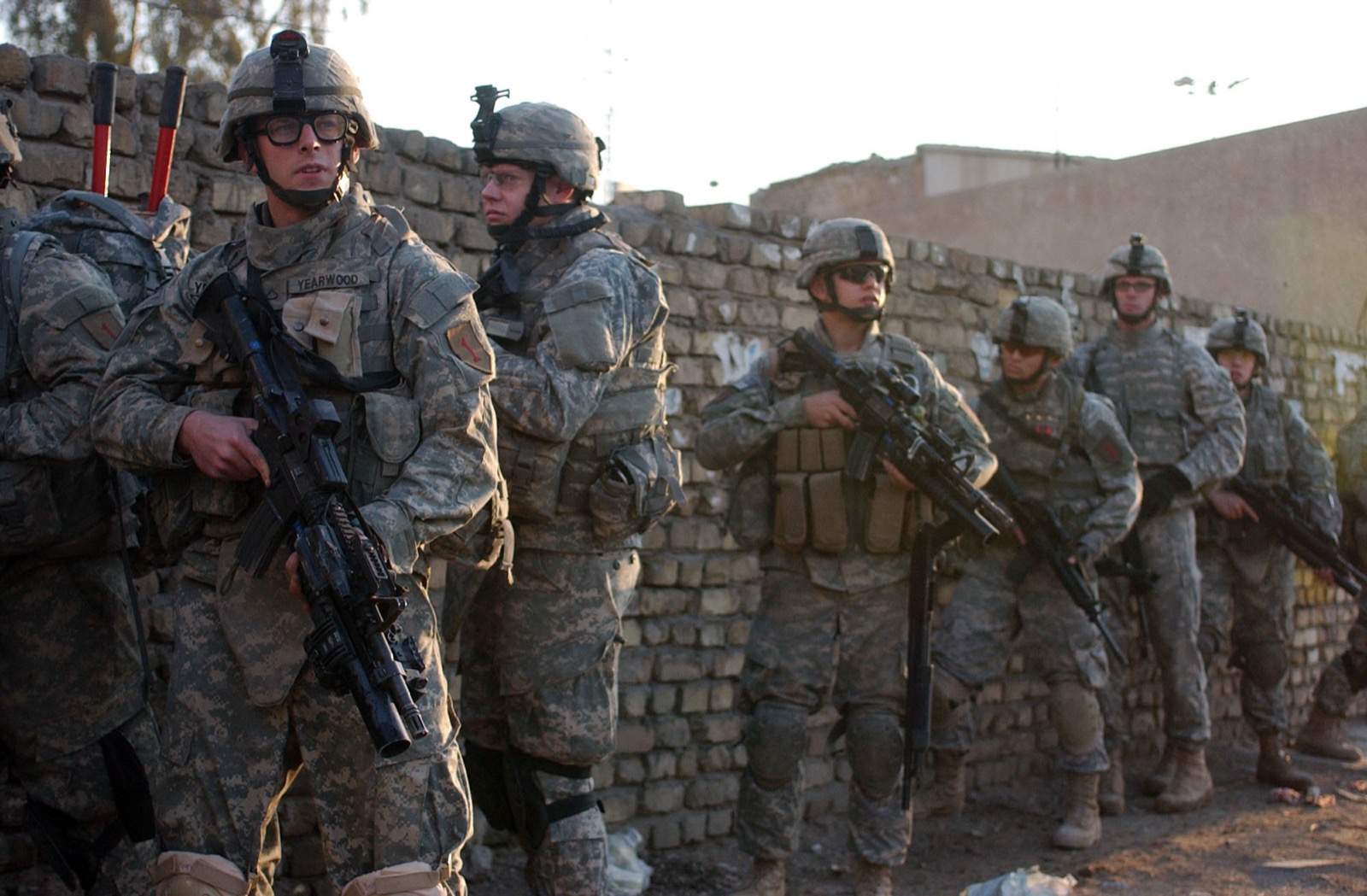
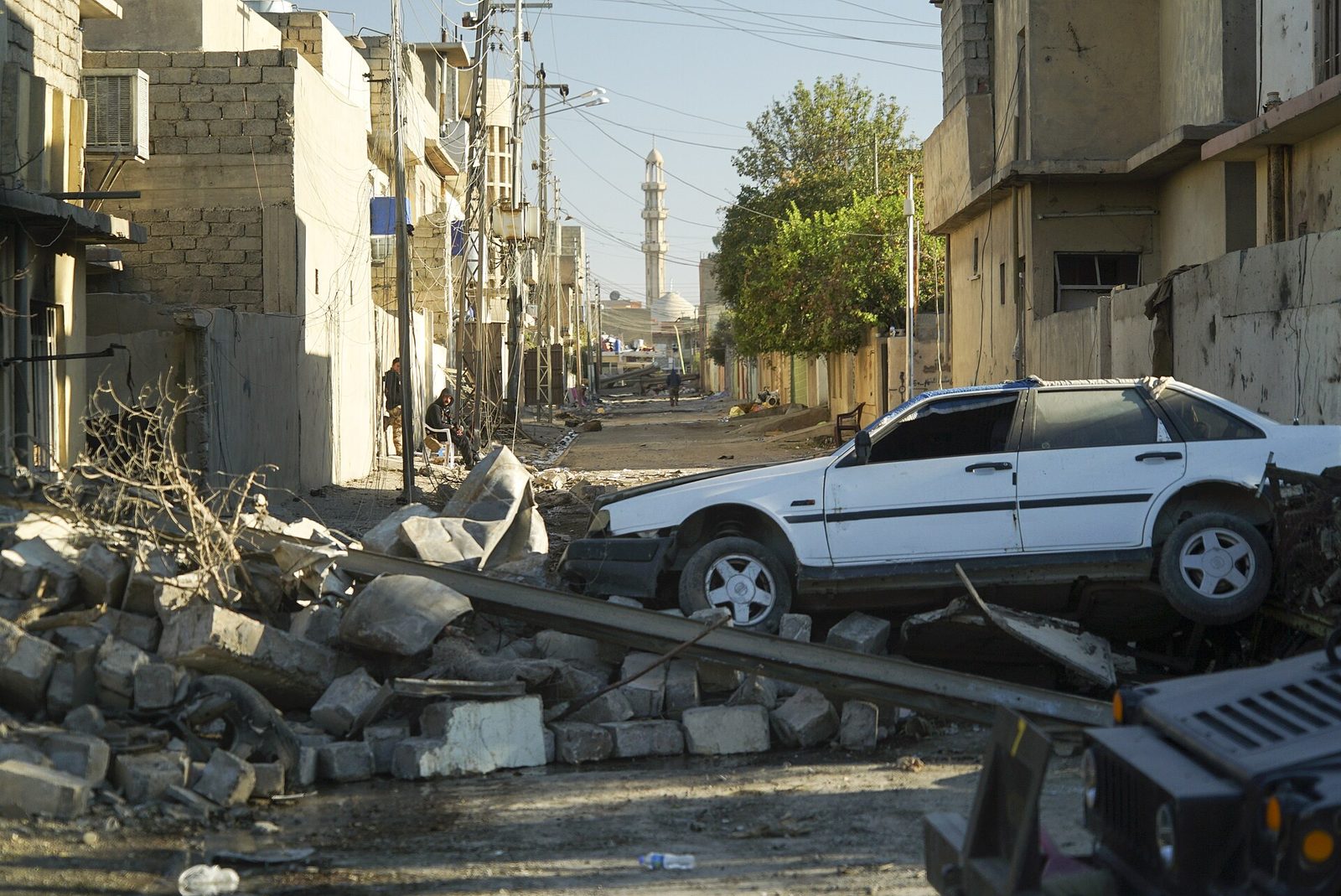
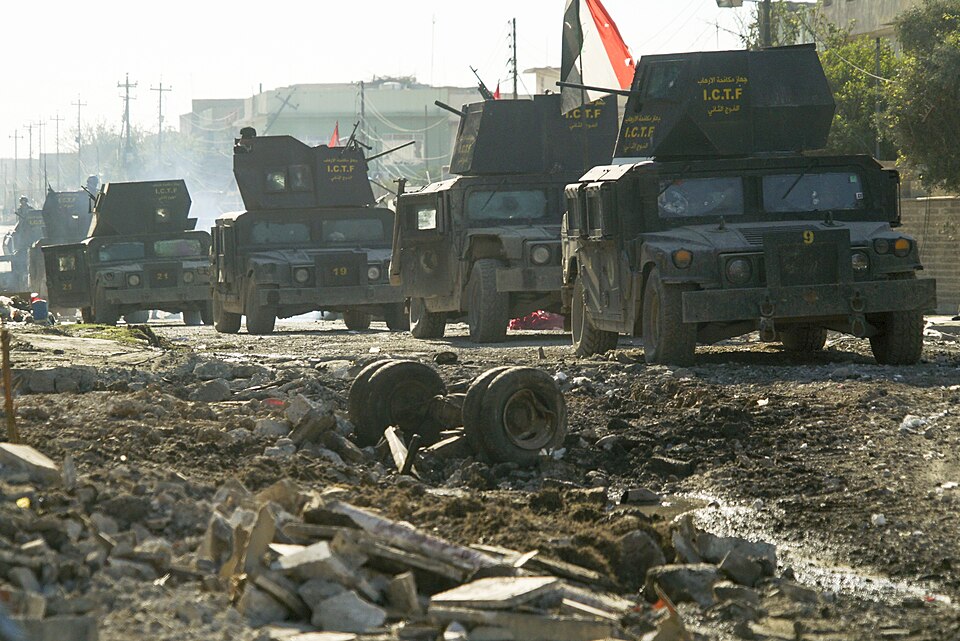
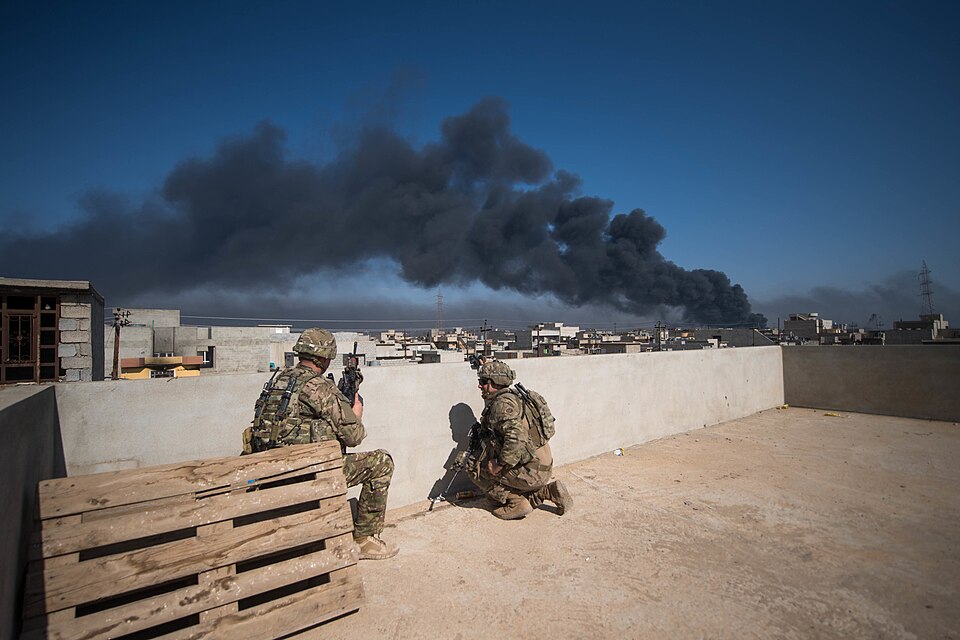
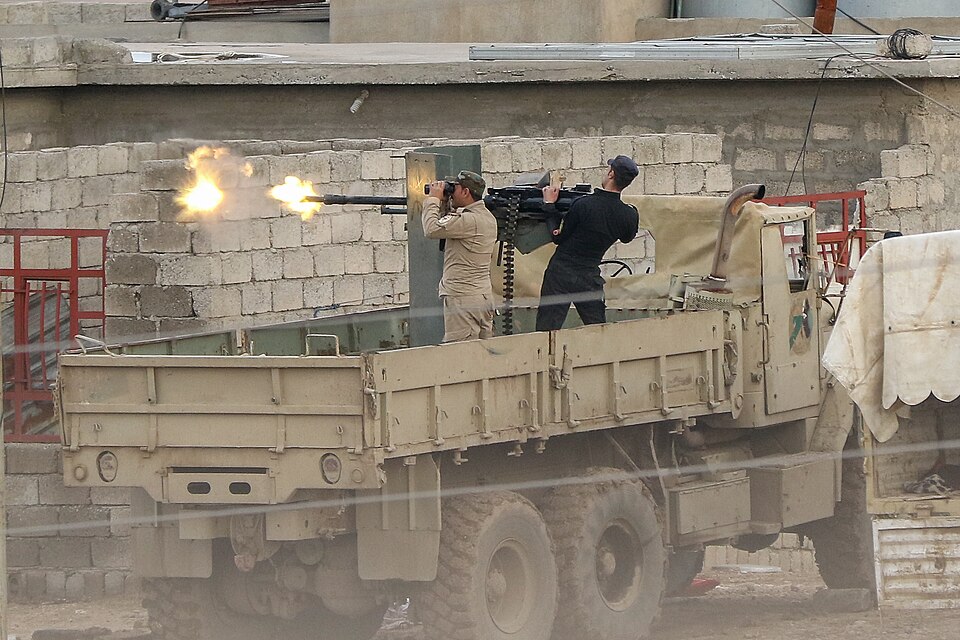
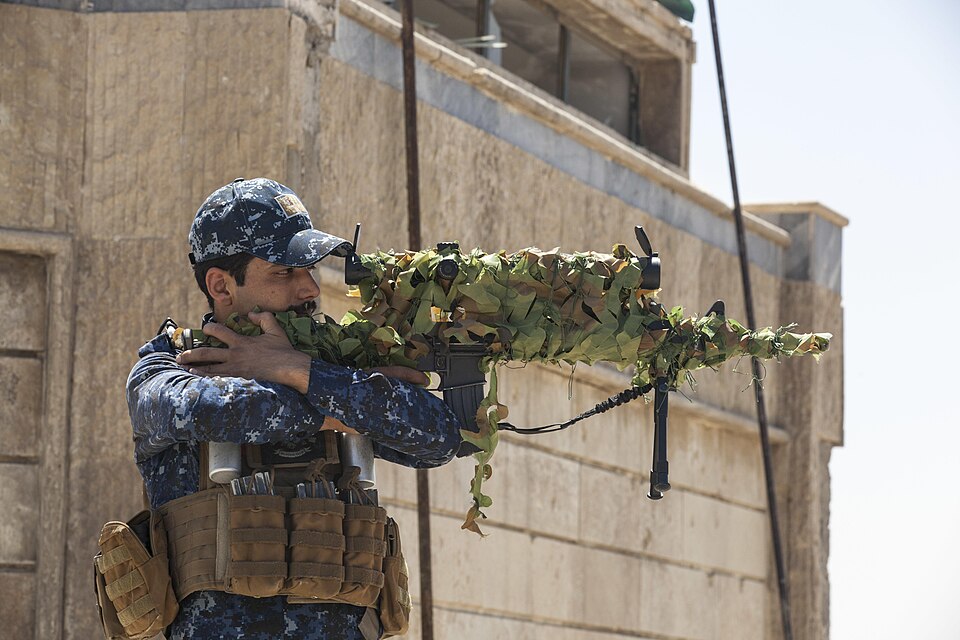
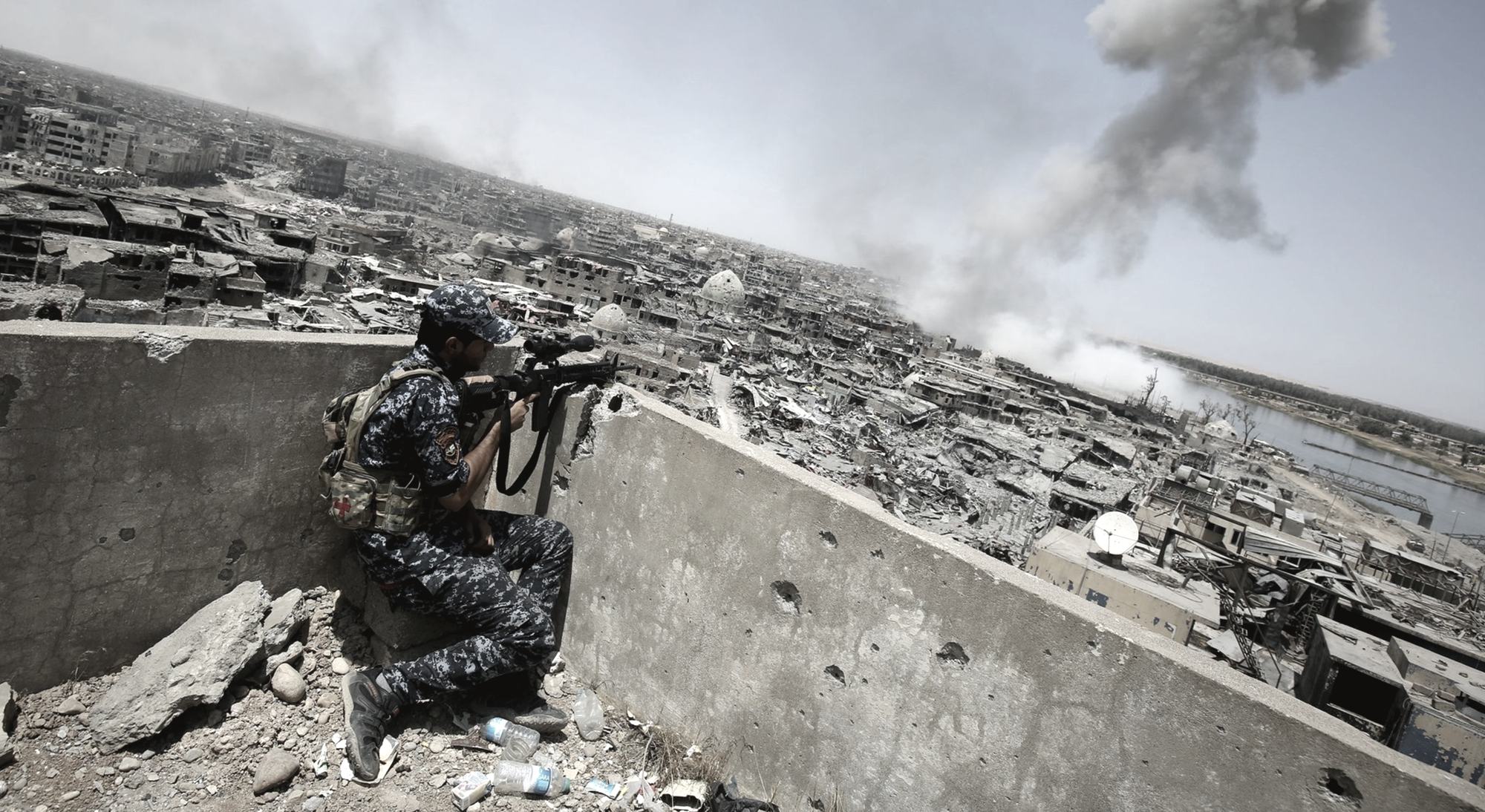
In the nine-month battle for Mosul, 2016 to 2017, ISIS snipers shot from depth within blown-out structures through loopholes cut in interior walls,70 and moved between buildings through tunnels, mouse holes and sheets hung between rooftops while persistent ISR hovered above.70117
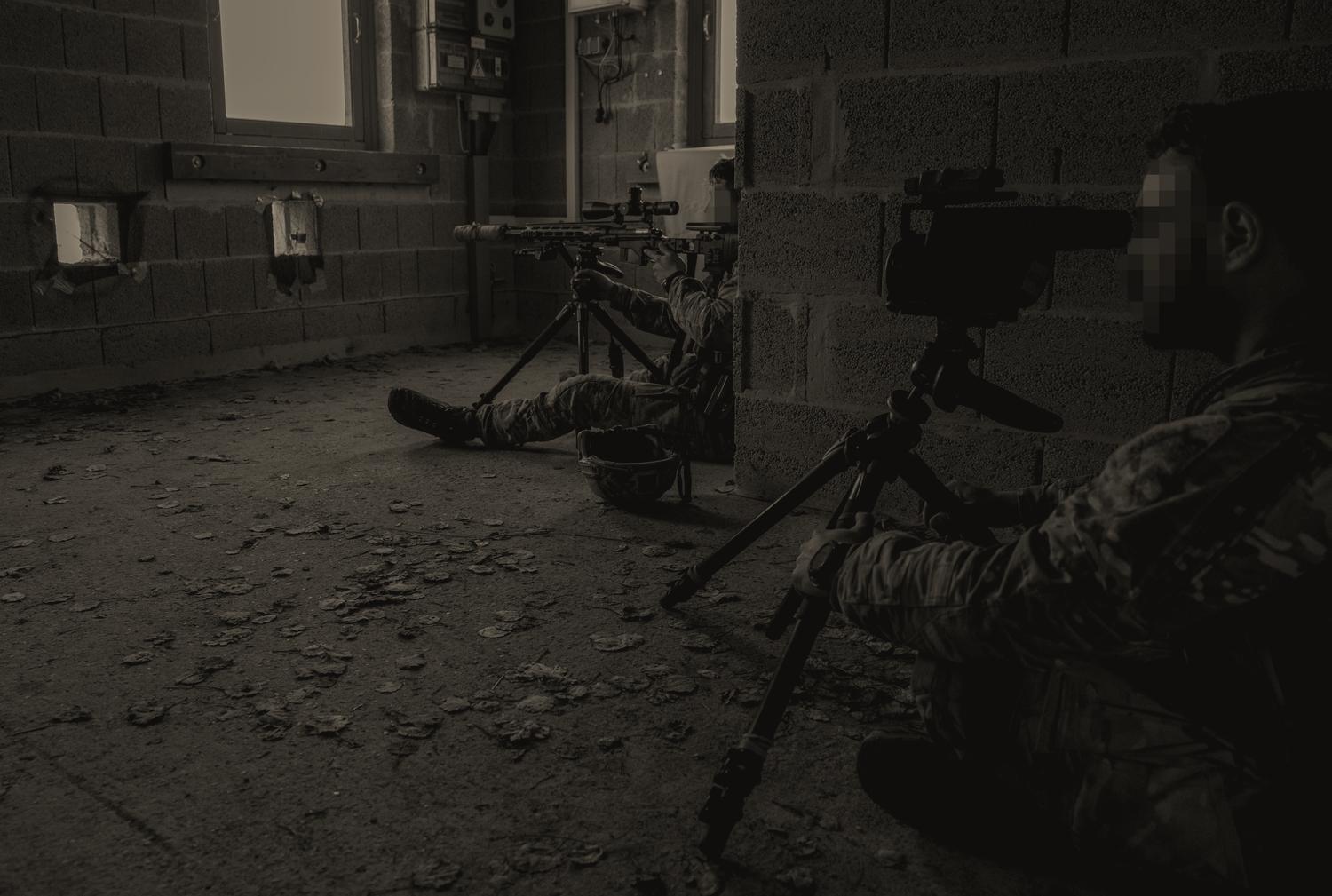
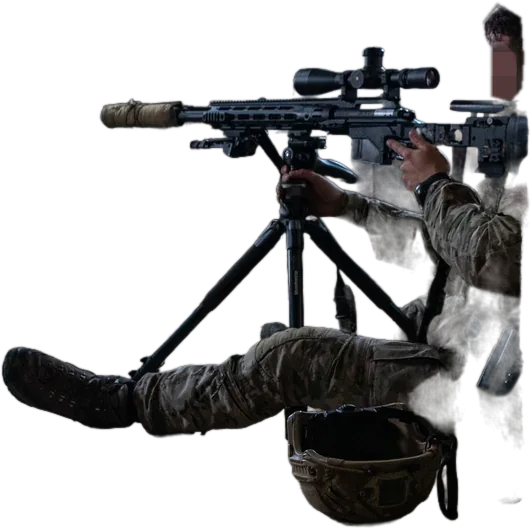
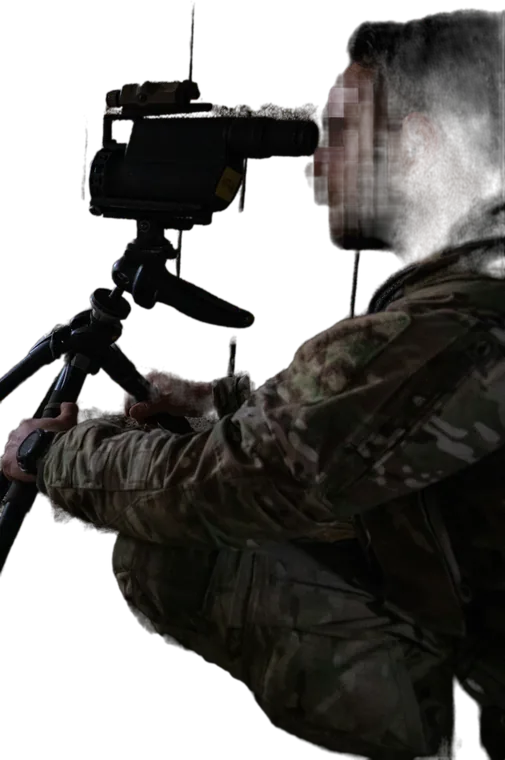
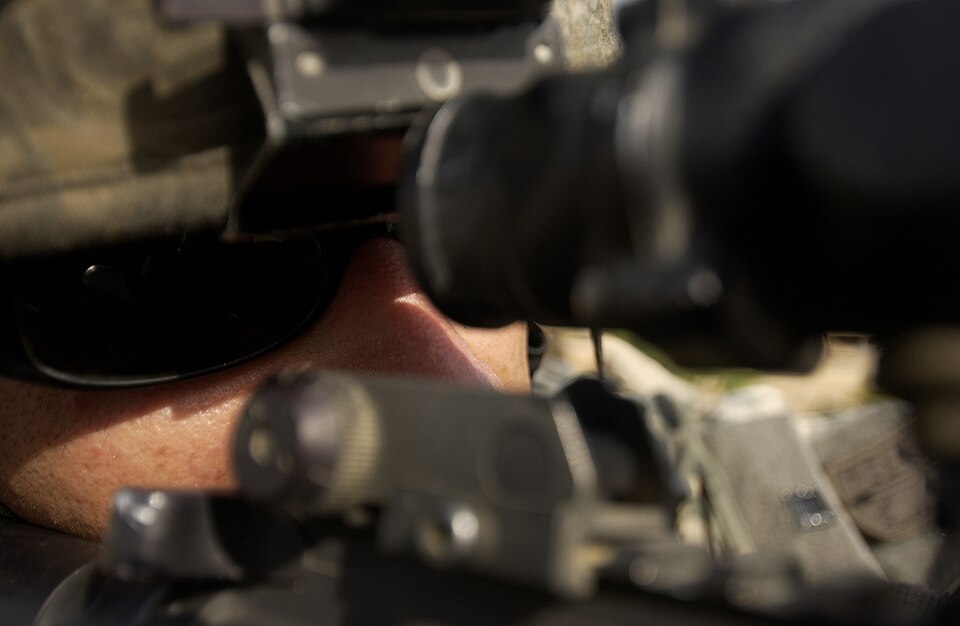
International Special Training Center urban sniper course, Hohenfels, 4 May 2022. U.S. Army photograph by Spc. Alisha Grezlik.





_01.jpg)
.jpg)


_(cropped).jpg)


.jpg)
.jpg)
.jpg)


